-1.png?width=1252&height=456&name=Pebble%20Beach%20Ranch%20horizontal%20(1)-1.png)
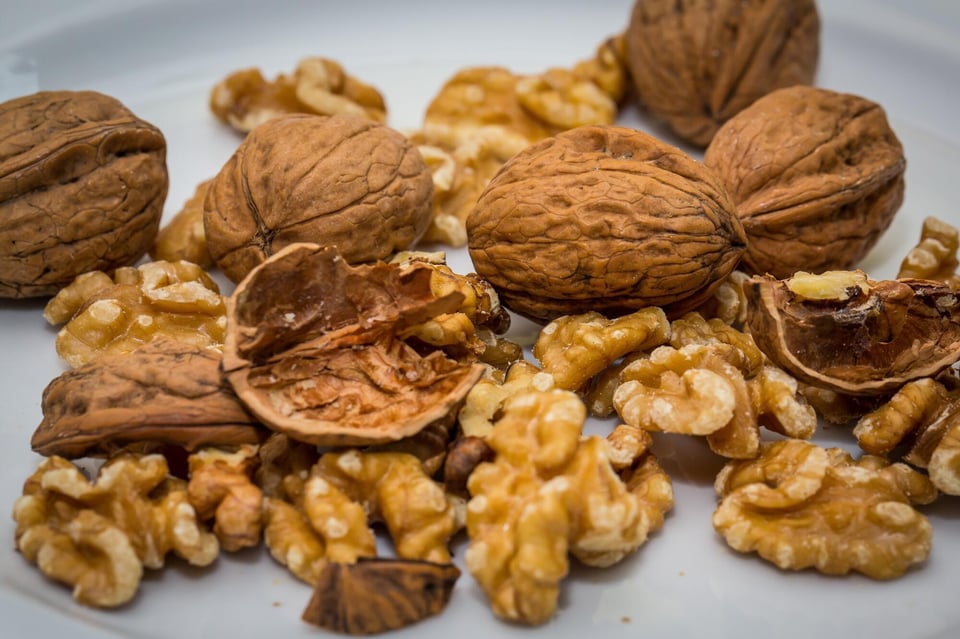
Eating nuts for heart health may help lower your blood pressure, potentially reducing your risk of cardiovascular disease. Some of the best healthy snacks for seniors in Gilbert, AZ, include pistachios and walnuts.
According to Glenn et al., in a paper from Nutrients, consuming nuts is associated with a lower risk of cardiovascular diseases (CVDs). Eating nuts may reduce the risk of CVD incidence by 19% and mortality by 25%. Stroke mortality may decline by 18%, atrial fibrillation by 15%, and total mortality by 19%.
Some nuts are more beneficial for heart health than others, though. The best nuts for heart health include walnuts, almonds, and pistachios.
How can nuts benefit your Arizona senior wellness? Read on to find out!
What Nuts Clean Your Arteries?
Though no food can "clean" arteries, nuts are beneficial for artery and heart health. Some of the best nuts for artery health include:
- Peanuts (which are actually a legume)
- Almonds
- Pistachios
- Walnuts
As smart fats for aging seniors, these nuts may help lower inflammation. Inflammation is the body's natural immune response. Chronic inflammation may increase your risk of cardiovascular disease.
Other potential benefits of nuts for heart health include:
- Lowers bad cholesterol
- Produces arginine and omega-3 fatty acids (which may help keep arteries flexible)
- Reduces oxidation
- Good sources of protein
- Decreases the risk of blood clots (which can cause heart attacks and strokes)
- Protects artery linings from oxidative stress and damage
- Increases nitric oxide, which keeps arteries elastic
- Contains fiber, which may help reduce or prevent plaque build-up
- Good sources of health fats, antioxidants (which protect the body from damage), and potassium
- Lowers the risk of high blood pressure
- Lowers the risk of early death due to heart disease
Nuts for Heart Health
When choosing between nuts for heart health, consider prioritizing:
- Pistachios
- Walnuts
- Peanuts
- Pecans
- Macadamia nuts
- Almonds
- Hazelnuts
These nuts are high in vitamins, minerals, and antioxidants. Antioxidants have a protective, anti-inflammatory effect. Eating healthy fats like nuts may help improve your:
- Total cholesterol
- Triglycerides
- LDL cholesterol
Nuts are also high in fiber (a 200-calorie serving may contain as much as 10g). Consuming more soluble fiber may help lower your cholesterol. Your risk of heart disease may decrease by 17% when there's 10g of fiber in your daily diet.
Nuts are high in antioxidants like vitamin E, which may help prevent oxidative stress. Oxidative stress may increase your risk of heart disease. The phytochemicals in nuts may offer anti-inflammatory and antioxidant benefits, which can offset oxidative stress.
Walnuts are high in omega-3 fatty acids, which offer anti-inflammatory benefits. Adding omega-3s to your diet may help reduce the risk of:
- Sudden death from a heart attack by 45%
- Death from any heart-related cause by 20%
Omega-3 fatty acids may help lower resting blood pressure, triglyceride levels, and body fat levels. This can have a beneficial impact on your heart health.
Senior Nutrition Tips
Your metabolism will slow down as you age. As a result, your body will need more of certain nutrients but fewer calories.
Before making major changes to your diet, consult a nutritionist or doctor. They'll ensure you eat nutrient-dense foods that suit your health needs.
Common senior nutrition tips include:
- Avoid eating processed foods
- Eat a balanced diet
- Consider switching to the DASH diet
- Drink plenty of water
- Follow recommended servings
- Eat a variety of fruits and vegetables (different colors indicate different nutrients)
- Eat whole grains for fiber
- Read Nutrition Facts labels
- Reduce your intake of sodium, added sugars, and fat
- Eat lean protein
To improve your diet, consider exploring your senior living community's dining program. You can develop a personalized meal plan based on your nutritional needs.
Try sharing meals with friends. Their presence can help you stay accountable to make healthier decisions.
What Foods Are Best for a Strong Heart?
The Dietary Approaches to Stop Hypertension (DASH) diet was named the "Best Heart-Healthy Diet" and "Best Diet for High Blood Pressure" by the US News & World Report in 2025. The DASH diet recommends nutrient-dense meals that feature heart-healthy foods, including:
- Whole grains (brown rice, whole-grain bread, oatmeal, etc.)
- Healthy fats (olive oil, avocados, etc.)
- Lean proteins (fish, eggs, etc.)
- Legumes, nuts, and seeds
- Fat-free and low-fat dairy (yogurt, milk, cheese)
- Vegetables (carrots, kale, spinach, broccoli, etc.)
- Fruit (oranges, apples, bananas, etc.)
Explore your senior living community's dining program to discover healthy snacks for seniors. Prioritize nuts as smart fats for aging or fruit, which offer antioxidants.
Otherwise, check your senior living community's events and activities calendar for cooking and baking classes. You can make heart-healthy meals with your food preferences in mind.
Frequently Asked Questions
What Are the Best Nuts to Avoid?
No nut is inherently bad for heart health. However, it's best to avoid options that are:
- Oil-roasted
- Heavily salted
- Coated in sugar
Try to eat Brazil nuts in moderation. Their high selenium levels may cause toxicity.
Prioritize eating raw nuts. Any added salt and sugar may negate the nuts' heart-healthy benefits.
Avoid overeating. The recommended serving size for adults is four to six servings of nuts a week.
What Foods Do Cardiologists Say to Avoid?
Your cardiologist may recommend that you cut out foods that can increase your risk of a heart attack or stroke. These may include:
- Candy
- Movie theater popcorn
- Processed meats, sausage, and bacon
- Potato chips, pretzels, and processed snacks
- French fries and other fast foods
- Red meat (steak, pork, etc.)
- Sugary beverages and energy drinks
Consult your doctor before making changes to your diet. They can help you select heart-healthy foods based on your nutritional needs.
Improve Your Arizona Senior Wellness
Adding nuts for heart health to your diet may help improve your daily Arizona senior wellness. You can find more healthy snacks for seniors through your Gilbert senior living community.
Pebble Ranch Senior Living offers signature programs that allow residents to tailor their living experiences to their unique preferences. Our community prioritizes personal autonomy, allowing you to thrive independently and with support.
Enjoy outings, classes, and activities through our innovative Vibrant Life® program or home-style meals through Elevate dining. Contact us now to schedule your tour.
-1.jpg?width=1200&height=800&name=Pebble-Ranch-069%20(1)-1.jpg)